Deep Learning Drowsiness Detection With Tensorflow
Muhammad Nabil Muyassar Rahman

Summary
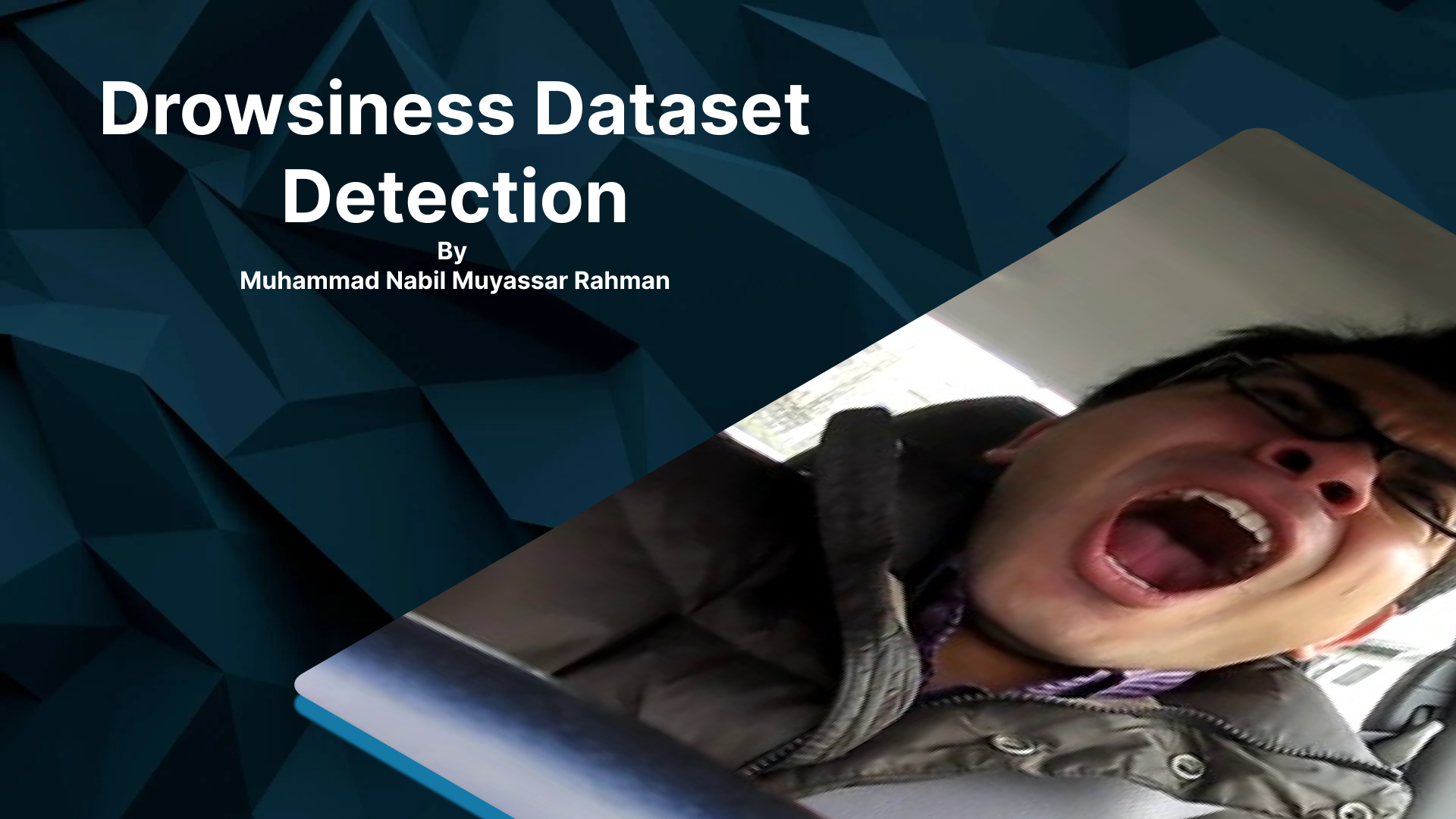
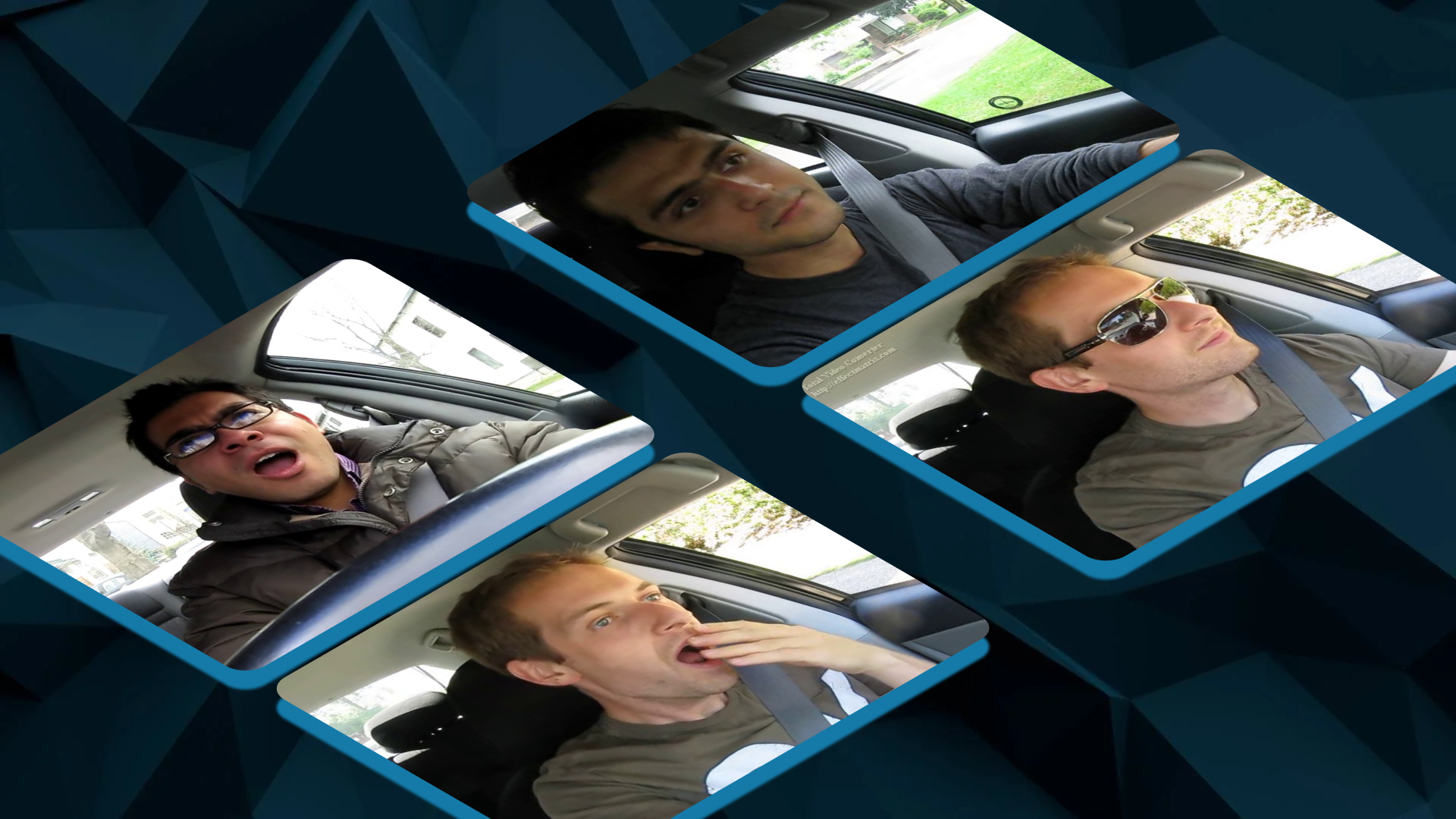
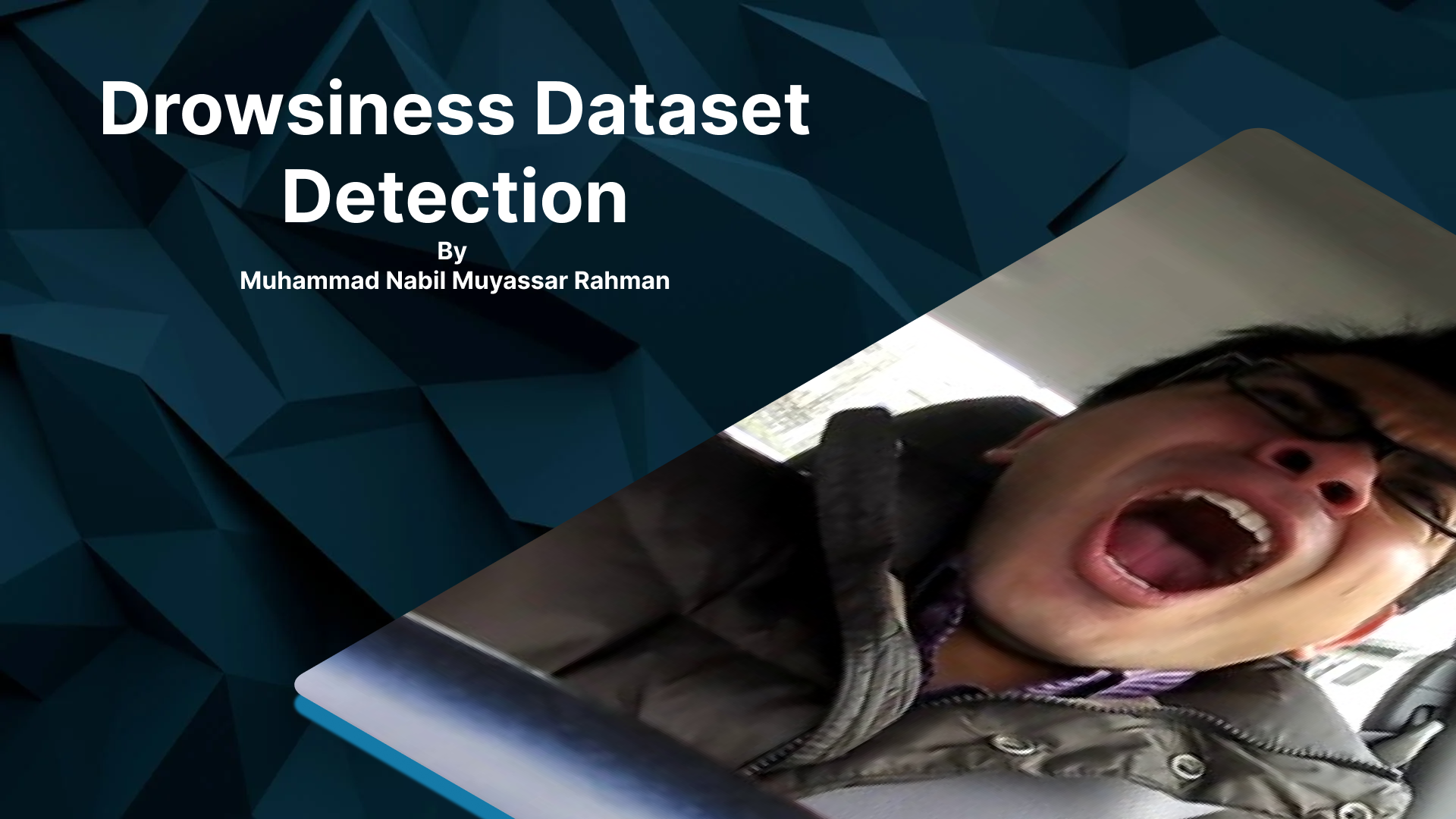
Deep learning is a function of Artificial Intelligence that copy's how the human brain works in processing data and pattern creation that are vital in making strategic decisions. Deep learning is also known as a deep neural network since it has systems capable of learning unsupervised data from unstructured data. Deep knowledge helps to gain massive amounts of unstructured data that makes it strenuous for humans to process and understand. Deep learning uses a hierarchical level of artificial neural networks that makes the system undergo the process of machine learning. In general, deep learning artificial intelligence learns from unstructured and unlabeled data. Deep learning AI is vital to an organization since it helps prevent fraud or money laundering. In this portfolio, we will use Deep Learning in finding the pattern of a certain drowsiness datasets. After we train and validate the datasets with the Tensorflow Keras CNN model, we can use the model we got to predict new data and see of how accurate it is.
Description
Before we start, we need to download the dataset that can be found through this link: https://www.kaggle.com/datasets/dheerajperumandla/drowsiness-dataset

Thus, below are the explanation and steps to prepare the data, preprocessing the data, creating the model, fitting the model, and predicting new data:
- First, we need to check if all the image that we download is an image that can be processed by the library. If the image cannot be processed by the library, then we can just delete it.

- After we were able to get the data that can be processed. We can start by importing the library we need for loading the dataset.

- Next, we need to make an ImageDataGenerator object to implements dataset validation ratio and takes data from directory.

You can see the data classes and the index that they will come out as in the model later.
- You can see the function documentation through this method

- Knowing the method’s function, we can now apply it for the train and validation dataset by using the ‘datagen’ object.

As it shown, the ‘subset’ tells the method as to how much data is given to the dataset. As the ‘validation_split’ was filled with 0.1 in other word 10%. The validation will only have amount of data of (total data*0.1).
- As the needed data have been prepared. We can start by getting ready to build the Convolutional Neural Network model. Thus, the library that is needed.

This is the link to TensorFlow documentation for the keras.layers: https://www.tensorflow.org/api_docs/python/tf/keras/layers
- We can start building the Convolutional Neural Network model like so.

The first thing to do is creating the type of model. A Sequential model is appropriate for a plain stack of layers where each layer has exactly one input tensor and one output tensor. Next to do is adding the layers, in this step the possibility is endless as things vary following the dataset. Finally, compile the model.
- By using the method summary, the model’s parameters, layers, output shapes, and more can be seen.

- Finally, if all the params, input, output is as it needs to be. By using the said command, the model can be run with a certain epoch, and data input.


- With the model.fit is saved to the ‘hist’ variable, we can call that variable to do an evaluation in a plot.

This is the loss and validation loss of the model; the validation loss is going up in a very uncontrollable faze as this is usually a problem in the amount of training data or validation data.
- Next, we can evaluate the accuracy of the model.

This happens in means that the model is very good at reading and predicting data that it has seen before but enough at predicting a new data that it has never seen before.
- This is result of the model prediction using the predict method.


It can be seen that the prediction still has some problem. This can be solved by editing the amount of training and validation data, add more datasets, edit its learning rate, and more.
Informasi Course Terkait
Kategori: Artificial IntelligenceCourse: Teknologi Game Kecerdasan Artifisial (SIB AI-GAME)